Question
In: Anatomy and Physiology
M3 Discussion: The Respiratory System This is something of a different type of discussion. Discuss in...
M3 Discussion: The Respiratory System
This is something of a different type of discussion. Discuss in 1-2 short paragraphs 2 of the most informative pieces of information you learned in this chapter. You can discuss one of the homeostatic imbalances, a fundamental principle of respiratory capacities, gas exchange, etc, anything that was presented in the chapter you particuarly are interested in.
Solutions
Expert Solution
GAS EXCHANGE:
Sites of Gas exchange:
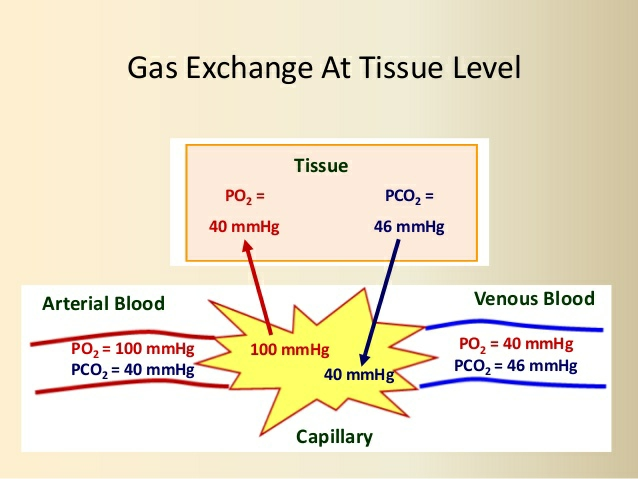
*At tissues(between blood and tissues)
*At the lungs(between blood and air)
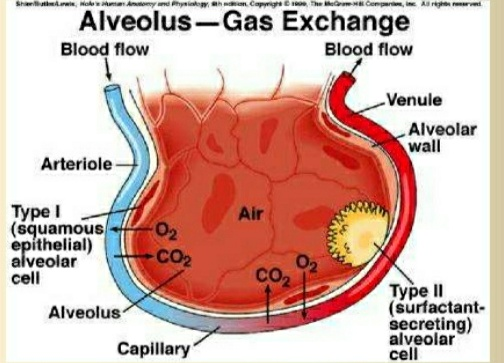
Mechanism of Gas exchange
*Simple diffusion: Down partial pressure gradient from high to low partial pressure
In the lungs:
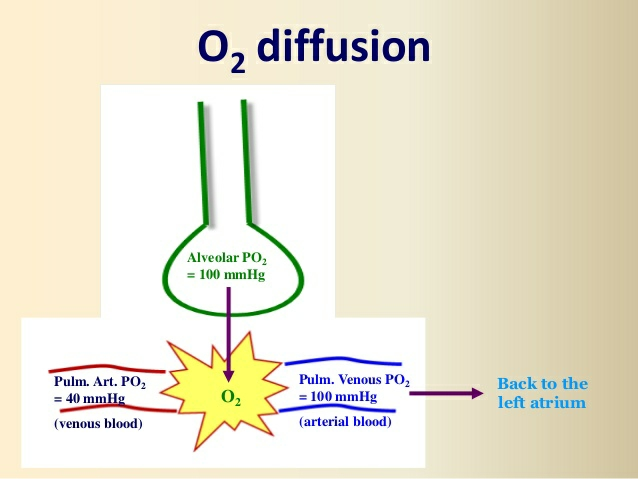
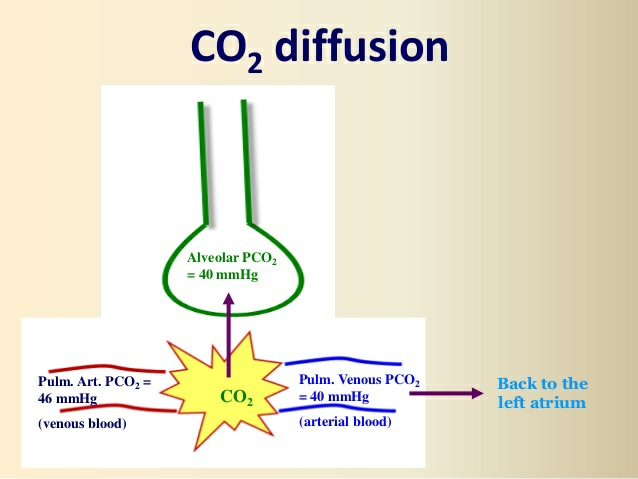
*Venous blood enters pulmonary capillaries( High pco2 & Low po2).
*Air enters alveoli(High po2 & Low pCo2).
•O2 diffuses from alveoli to blood down its pressure gradient.
•CO2 diffuses from blood to alveoli down its pressure gradient.
Factors affecting gas diffusion
1) Partial pressure gradient of the gas across the alveolar capillary membrane.(60 mmHg for O2 & 6mmHg for CO2).
2)Surface area of the alveolar capillary membrane (about 70m2).
3) Thickness of the alveolar capillary membrane (about 0.5microns).
4) Diffusion coefficient of the gas depends on :
• Gas solubility : (CO2 is 24 times soluble than O2).
• Molecular weight of the gas.(CO2 M.W. is 1.4 times greater than O2)
• Net effect : CO2 diffusion is 20 times aster than O2
Rate of gas diffusion=
Diffusion coefficient*Pressure gradient*Surface area of membrane
- thickness of the membrane
•The volume of the gas transfer across the alveolar capillary membrane per unit time is :
Directly proportional to:
* The difference in the partial pressure of gas between alveoli and capillary blood.
*The Surface area of the membrane
*The solubility of the gas.
Inversely proportional to:
* Thickness of the membrane
* Molecular weight of the gas.
The diffusion capacity of the respiratory membrane: The volume of gas that diffuses across the alveolar capillary membrane /min for a pressure difference of 1mmHg.
=20ml/min./mmHg for O2
=400ml/min/mmHg for CO2
Diffusion capacity increases during exercise:
80ml/min/mmHg forO2
1600ml/min/mmHg for CO2CO2
Diffusion capacity decreases in:
•conditions that increases alveolar -capillary membrane thickness
• conditions that decreases the effective area for diffusion.
 Sydney Mullin answered 3 months ago
Related Solutions
Discussion Relate the digestive system to respiratory system by discussing the effect of smoking on digestion....
discuss the respiratory system lung volume and capacities
Different systems (such as the circulatory system, digestive system, respiratory system, urinary system, skeletomuscular system, etc.)...
Discuss how the blood, the cardiovascular system, and the muscular system as well as the respiratory...
discuss the idea about cardiovascular system and respiratory system disorders, and the association of cardiovascular system...
Discuss the lymphatic tissues associated with the respiratory and digestive systems, include in your discussion the...
1. Explain why the respiratory system and the renal system have such different time frames in...
DIFFERENT ANSWERS THAN THE POSTED ONE PLEASE! This week's discussion opportunity is something of a logical...
Discuss the changes in the cardiovascular and respiratory system during and just after a 100 meters...
How does sickle cell anemia affect different body systems like the circulatory system, respiratory system, and...
- On January 1, 2018, bonds with a face value of $ 79,000 were sold. The bonds...
- How do I make this sort in true alphabetical order instead of ascii(ABCabc) order? I am...
- As a healthcare provider in physical therapy, athletic training, or as an exercise scientist and personal...
- in the market for makeup artists, what happens after the invention of high-definition tv allowing viewers...
- 10. What are the three monetary policy tools of the Fed? Briefly describe how each tool...
- In what ways would the role of a manager working in a nonstandard international assignment arrangement...
- Write a Bash script called move that could replace the UNIX command mv. 'move' tries to...