Question
In: Economics
Dumping Business Case Problem 11-4, Page 228 Nuclear power plants use low-enriched uranium (LEU) as a...
Dumping
Business Case Problem 11-4, Page 228
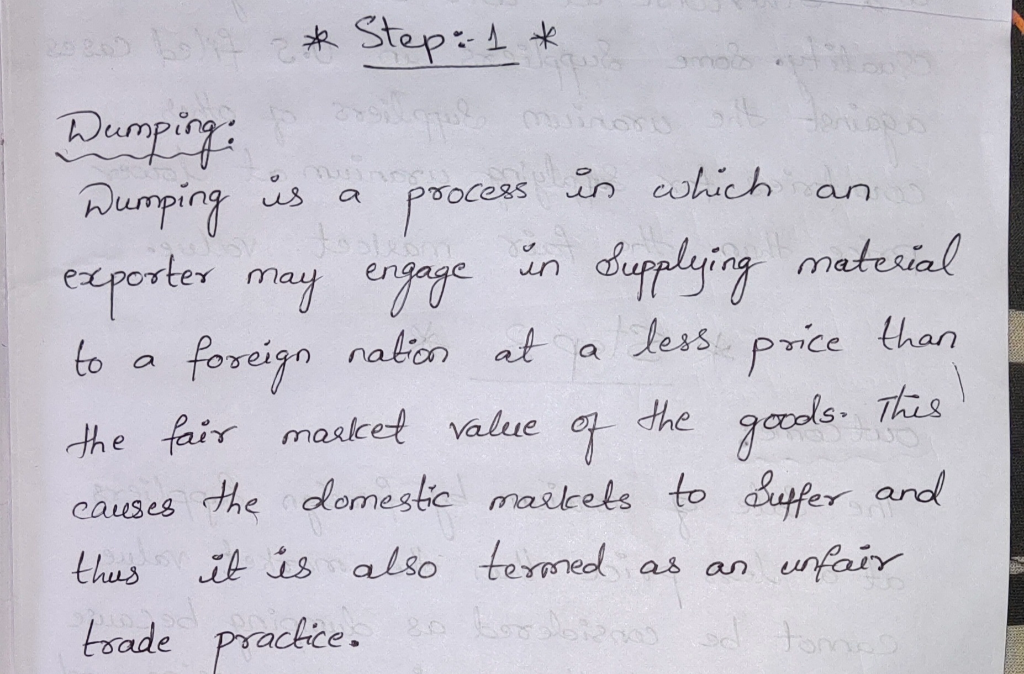
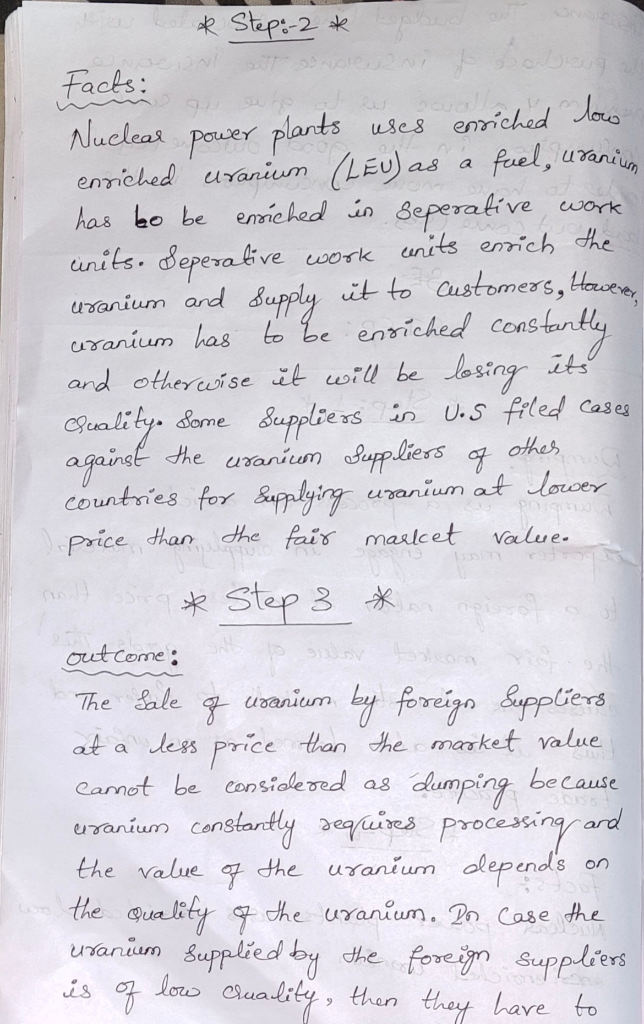
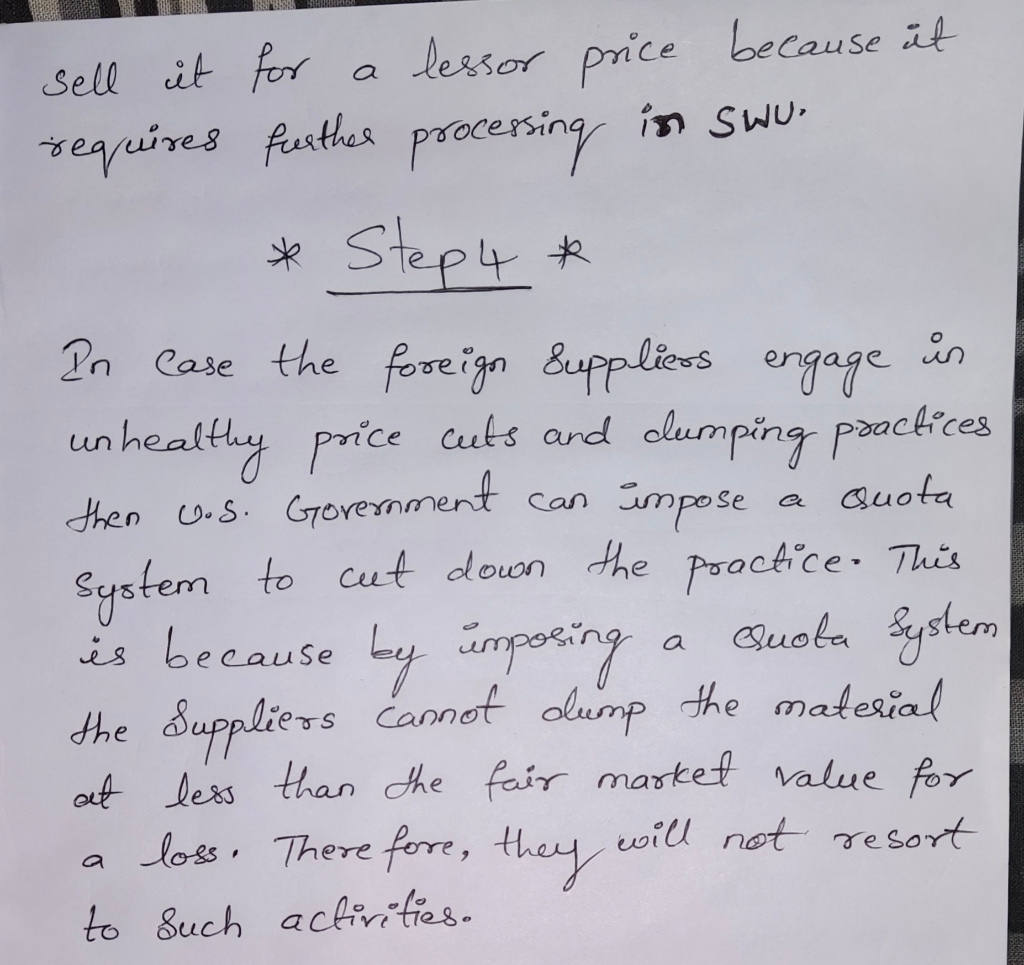
Nuclear power plants use low-enriched uranium (LEU) as a fuel. LEU consists of feed uranium enriched by energy to a certain assay--the percentage of the isotope necessary for a nuclear reaction. The amount of energy required is described by an industry standard as a "separative work unit" (SWU). A nuclear utility may buy LEU from an enricher, or the utility may provide an enricher with feed uranium and pay for the SWU's necessary to produce LEU. Under an SWU contract, the LEU returned to the utility may not be exactly the uranium the utility provided. This is because feed uranium is fungible and trades like a commodity (such as wheat or corn), and profitable enrichment requires the constant processing of undifferentiated stock. Foreign enrichers, including Eurodif, S.A, allegedly exported LEU to the United States and sold it for "less than fair value." Did this constitute dumping? Explain. If so, what could be done to prevent it? [United States v. Eurodif, S.A., 555 U.S. 305, 129 S.Ct. 878, 172 L.Ed.2d 679 (2009)] (Cross & Miller, 2018, p. 228)
Solutions
 Rahul Sunny answered 4 months ago
Related Solutions
The uranium used as nuclear fuel and in bombs has to be enriched before use. Explain...
Read the Richard’s Furniture Company case that starts on page 58 of the textbook (problem 11)...
Problem 4. (problem 5.23 page 74) A company‘s management is worried about employee drug use and...
CONTEMPORARY CANADIAN BUSINESS LAW : Chapter 14, Page 260, Case 4 Awwad, a skilled carpenter, agreed...
Case Study 3--Capital Budgeting (Comprehensive Spreadsheet Problem 11-23, page 408) Your division is considering two projects....
10–4. Business Case Problem with Sample Answer— White-Collar Crime. Matthew Simpson and others created and operated...
- prepare a tecnical report that discuss about "A custom Union (CU) constitute a partial movement towards...
- in your own opinion, It has been said that a smartphone is a computer in your...
- Use the internet to read more about journaling file systems such as NTFS, extfs2, and extfs3....
- Consider the quick sort algorithm. The quick sort algorithm is a divide and conquer approach which...
- Tesla 1. How to make these weaknesses into strengths? Burn through cash, high prices, bottlenecking/product delays,...
- Assignment # 12: Email Presentation Learning Objectives and Outcomes Design a PowerPoint presentation appropriate for middle...
- Identify which of the perspectives you believe is the BEST for accurately explaining human behavior and...