Questions
You are Susan Dean, a 35 year old woman who has always been interested in owning...
You are Susan Dean, a 35 year old woman who has always been interested in owning your own business. You graduated from Gorham HS, attended SMCC, eventually transferring to USM where you earned a bachelor’s degree in Business with a major in Marketing. Eventually you went to graduate school and earned a Master’s of Business Administration (MBA). For the last 10 years you have worked as a marketing specialist/management specialist with Yum! Brands, Inc. where you helped management open several Taco Bells and Pizza Huts in southern Maine. In addition, you evaluated several underperforming stores that had to be closed. After contacting several major corporations you find that McDonalds is the only major brand looking to open another store in the town of Gorham near the USM campus. There is a Burger King in the area. You in fact actually worked at McDonalds when you were a youngster. You have decided that you would like to open a McDonald’s franchise in this area near USM. Your grandparents have left you with a significant amount of money for which you are grateful. You would like to use this towards your new business adventure. But you will need to finance the remaining balance. You apply for a business loan to a local bank. The bank requires you to submit a detailed business plan. This business plan will include projections for operating costs, revenue stream, profits, human resource needs, your business strategy, etc. There are multiple topics that have to be analyzed and for which projections have to be made. Because of this you will have to conduct a survey(s) in the Gorham region to assess multiple demographic, supply/demand issues, and other topics.
Discussion Question/Directions:
You are Susan Dean. You need to discuss issues for which you think a statistical study would be helpful (in obtaining the information needed for your business plan). his could be demographic information, assessing the desire for a McDonald’s in the region, traffic studies, household make up, what the projected demand would be, etc. There are hundreds of topics to zero in on. What topics do you think are important to know before you invest your money into such an important undertaking? What type of statistical study should be done? What types of data will you need to collect? How will you collect your data? How much do you think it will cost to gather your information?
In: Math
Consider the following hypothetical scenario: The city council has just approved the construction of an amusement...
Consider the following hypothetical scenario: The city council has just approved the construction of an amusement park in your town. You are responsible for studying the impact of the new amusement park on the local economy and the surrounding community. Write a paper of approximately 500 words that addresses all of the questions below. Include the graphs, where indicated: o Question 1: You know that the amusement park will increase the traffic flow in the streets around the amusement park. There are both businesses and neighborhoods adjacent to the increased traffic flow. The cost to the community is estimated to be $6 per person. What kind of externality is this? Why? o Graph the market for amusement park business, labeling the demand curve, the social-value curve, the market equilibrium level of output, and the socially optimal level of output. What is the per-unit amount of the externality? o Question 2. You know that the amusement park will have events in the evening. This will increase both foot traffic and street traffic at night. You believe this will improve the safety of the surrounding businesses, with an estimated benefit of $2 per park attendee. What kind of externality is this? Why? o Question 3 Create a new graph illustrating the market for amusement park business for these two externalities together. Label the demand curve, the social-value curve, the market equilibrium level of output, and the final socially optimal level of output. What is the per-unit amount when both externalities are considered? Discuss both government and private solutions that would result in an socially optimal outcome.
In: Economics
Read and complete the Capstone exercise on page 177 and answer all of the questions associated...
Read and complete the Capstone exercise on page 177 and answer all of the questions associated with the case.
In 1885, Binney & Smith had a product line of ONE—An-DuSeptic dustless chalk. While promoting this product to teachers across the United States, the company founders discovered that teachers were importing expensive wax crayons from Europe. In the early 1900s, nearly 20 years after starting the company, Binney & Smith introduced a new product, eight colored crayons packaged in a green and yellow box. Crayola Crayons remain a staple in American classrooms today. The size of the boxes and the selection of colors have changed over the decades, but the basic product remains essentially the same. (The “Big Box” with a mind-boggling 96 crayons was introduced in 1993.) In 1964, Binney & Smith acquired Permanent Pigments, an acrylic paint manufacturer, and in 1977, it acquired the rights to Silly Putty. In 1984, the Binney & Smith company became a wholly owned subsidiary of Hallmark Cards, Inc. In 2007, the Binney & Smith corporate name was changed to Crayola because of the brand familiarity. The name Crayola has a 99% recognition among U.S. consumers. Eighty percent of all the crayons sold in the United States today have the Crayola brand name. Crayola products are sold in 80 different countries and packaged in 12 languages. The name change also reflected the company’s new direction. For nearly 100 years, Crayola targeted children and their parents with a product line of back-to-school products. The products had expanded from crayons to water paints, markers, chalk, colored pencils, and poster paints. However, in an effort to expand the market and generate revenues throughout the year, Crayola entered the toy industry. Bath tub art, glow stations, Color Explosion products, Mess-Free Art, flavored drinking water, and even a colorful computer keyboard and mouse are just some of the products added to the Crayola line. Today in any big box store, Crayola will have shelf space in both the art and school supply aisle AND the toy section.
1. How would you define the attributes and benefits of Crayola products?
2. Define the core, actual, and augmented product benefits.
3. Where was Crayola in the product life cycle before it entered the toy market? Where do you think they are now? Explain.
4. Do you see the move from school supply products to toys as product development? Explain.
5. Describe the Crayola product portfolio strategy.
In: Operations Management
Explain why Adam Smith (Classical School) failed to solve the diamond-water paradox
-
Explain why Adam Smith (Classical School) failed to solve the diamond-water paradox
In: Economics
what should school nurse plan of care for child with ttpe one DM include?
In: Nursing
What is your primary goalfor going to school?
In 150 words or fewer, please answer: "What is your primary goal for going to school?"
In: Economics
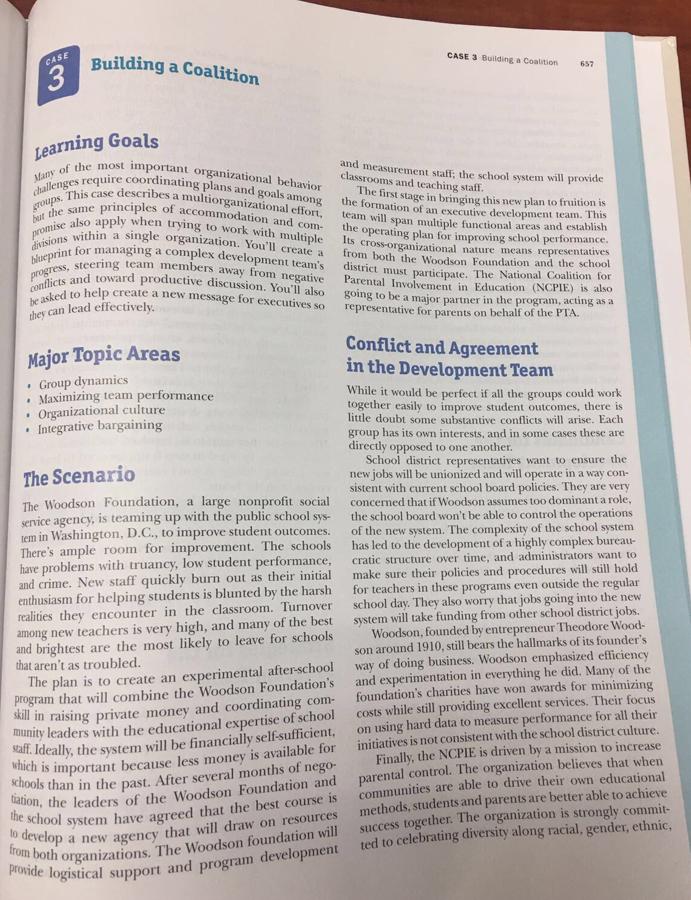
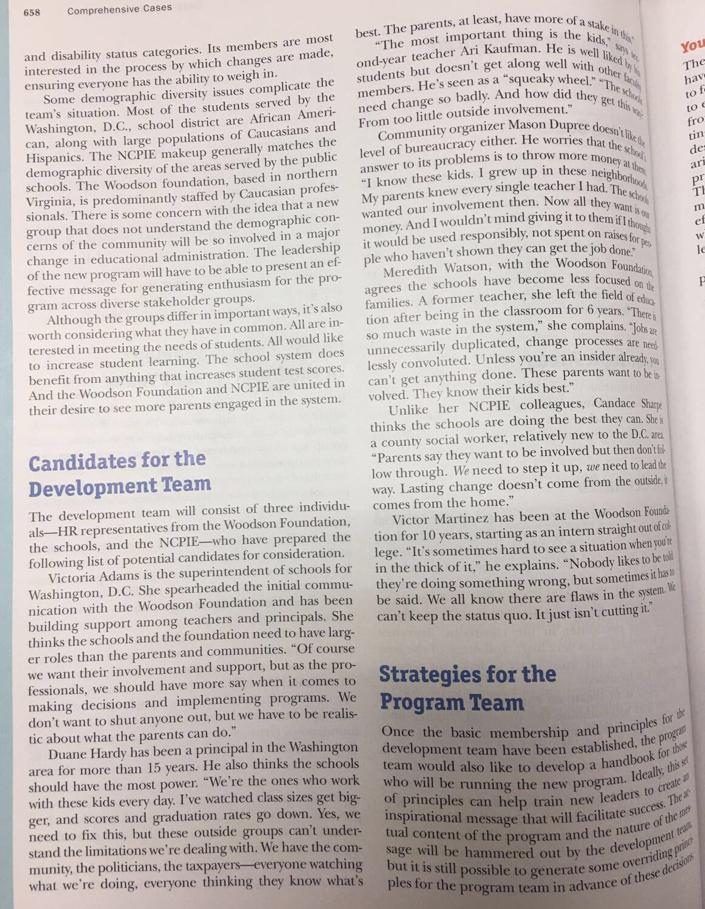
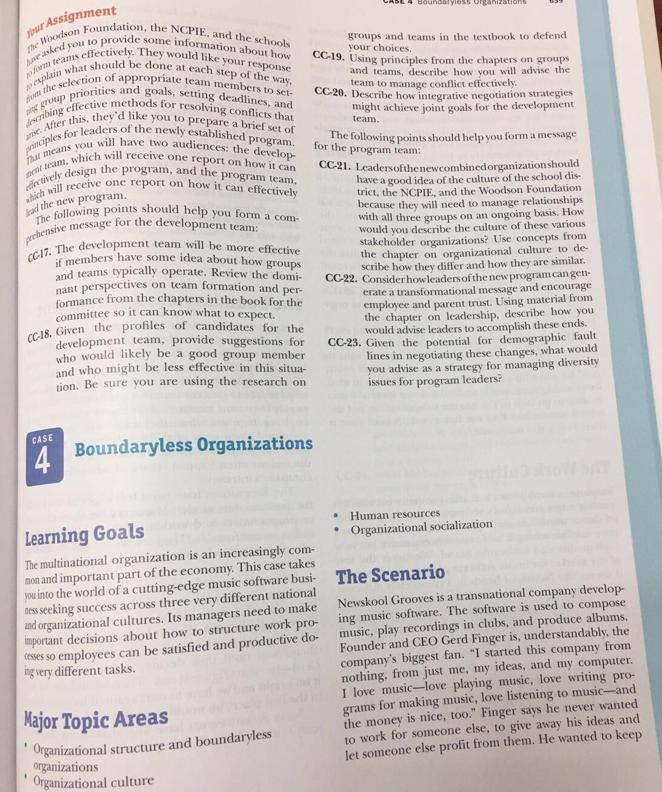
write an analysis of the process of coalition of Woodson Foundation and the public school?
write an analysis of the process of coalition of Woodson Foundation and the public school?
attached case study
In: Computer Science
How can you disseminate scholarship in your practice (not money you get for school)?
How can you disseminate scholarship in your practice (not money you get for school)?
In: Nursing
School is not the matter,But self-schooling and continuous learning is most important in entrepreneur’s life. Discuss.
School is not the matter,But self-schooling and continuous learning is most important in entrepreneur’s life. Discuss.
In: Finance
What problems arise in attempting to assess the social benefits of increased investment in school education?
What problems arise in attempting to assess the social benefits of increased investment in school education?
In: Economics