Questions
Genuine Spice Inc. began operations on January 1, 2016. The company produces a hand and body...
Genuine Spice Inc. began operations on January 1, 2016. The company produces a hand and body lotion in an eight-ounce bottle called Eternal Beauty. The lotion is sold wholesale in 12-bottle cases for $100 per case. There is a selling commission of $20 per case. The January direct materials, direct labor, and factory overhead costs are as follows:
|
|||||||||||||||||||||||||||||||||||||||||||||||||||||||||||||||||||||||||||||||||||||||||||||||||||||||||||||||||||
Part B—August Budgets
During July of the current year, the management of Genuine Spice Inc. asked the controller to prepare August manufacturing and income statement budgets. Demand was expected to be 1,500 cases at $100 per case for August. Inventory planning information is provided as follows:
Finished Goods Inventory:
| Case | Cost | |
| Estimated finished goods inventory, August 1, 2016 | 300 | $12,000 |
| Desired finished goods inventory, August 31, 2016 | 175 | 7,000 |
Materials Inventory:
| Cream Base (ozs.) |
Oils (ozs.) |
Bottles (bottles) |
|
| Estimated materials inventory, August 1, 2016 | 250 | 290 | 600 |
| Desired materials inventory, August 31, 2016 | 1,000 | 360 | 240 |
There was negligible work in process inventory assumed for either the beginning or end of the month; thus, none was assumed. In addition, there was no change in the cost per unit or estimated units per case operating data from January.
Required:
5. Prepare the August production budget. Enter all amounts as positive numbers.
| Genuine Spice Inc. Production Budget For the Month Ended August 31, 2016 |
|
|---|---|
| Cases | |
| Expected cases to be sold | |
| Plus desired ending inventory | |
| Total | |
| Less estimated beginning inventory | |
| Total units to be produced | |
6. Prepare the August direct materials purchases budget. Enter the unit price to the nearest cent. Enter all amounts as positive numbers.
| Genuine Spice Inc. Direct Materials Purchases Budget For the Month Ended August 31, 2016 |
|||||||||||
|---|---|---|---|---|---|---|---|---|---|---|---|
| Cream Base (ozs.) | Natural Oils (ozs.) | Bottles (bottles) | Total | ||||||||
| Units required for production | |||||||||||
| Plus desired ending inventory | |||||||||||
| Less estimated beginning inventory | |||||||||||
| Direct materials to be purchased | |||||||||||
| Unit price | $ | $ | $ | ||||||||
| Total direct materials to be purchased | $ | $ | $ | $ | |||||||
7. Prepare the August direct labor budget. For hours required, round to nearest whole hour. For hourly rate, enter to the nearest cent, if required.
| Genuine Spice Inc. Direct Labor Budget For the Month Ended August 31, 2016 |
||||||
|---|---|---|---|---|---|---|
| Hours required for production of: | Mixing | Filling | Total | |||
| Hand and body lotion | ||||||
| Hourly rate | $ | $ | ||||
| Total direct labor cost | $ | $ | $ | |||
8. Prepare the August factory overhead budget. If an amount box does not require an entry, leave it blank.
| Genuine Spice Inc. Factory Overhead Budget For the Month Ended August 31, 2016 |
||||||
|---|---|---|---|---|---|---|
| Factory overhead: | Fixed | Variable | Total | |||
| Utilities | $ | $ | $ | |||
| Facility lease | ||||||
| Equipment depreciation | ||||||
| Supplies | ||||||
| Total | $ | $ | $ | |||
9. Prepare the August budgeted income statement, including selling expenses. Enter all amounts as positive numbers.
| Genuine Spice Inc. Budgeted Income Statement For the Month Ended August 31, 2016 |
||||
|---|---|---|---|---|
| Sales | $ | |||
| Finished goods inventory, August 1 | $ | |||
| Direct materials inventory, August 1 | $ | |||
| Direct materials purchases | ||||
| Less direct materials inventory, August 31 | ||||
| Cost of direct materials for production | $ | |||
| Direct labor | ||||
| Factory overhead | ||||
| Less finished goods inventory, August 31 | ||||
| Cost of goods sold | ||||
| Gross profit | $ | |||
| Selling expenses | ||||
| Income before income tax | $ | |||
In: Finance
Roberta Santos, age 41, is single and lives at 120 Sanborne Avenue, Springfield, IL 60781. Her...
Roberta Santos, age 41, is single and lives at 120 Sanborne Avenue, Springfield, IL 60781. Her Social Security number is 123-45-6789. Roberta has been divorced from her former husband, Wayne, for three years. She has a son, Jason, who is 17, and a daughter, June, who is 18. Jason's Social Security number is 111-11-1112, and June's is 123-45-6788. Roberta does not want to contribute $3 to the Presidential Election Campaign Fund.
Roberta, an advertising executive, earned a salary from ABC Advertising of $80,000 in 2016. Her employer withheld $9,000 in Federal income tax and $3,100 in state income tax.
Roberta has legal custody of Jason and June. The divorce decree provides that Roberta is to receive the dependency deductions for the children. Jason lives with his father during summer vacation. Wayne indicates that his expenses for Jason are $10,500. Roberta can document that she spent $6,500 for Jason's support during 2016. In prior years, Roberta gave a signed Form 8332 to Wayne regarding Jason. For 2016, she has decided not to do so. Roberta provides all of June's support.
Roberta's mother died on January 7, 2016. Roberta inherited assets worth $625,000 from her mother. As the sole beneficiary of her mother's life insurance policy, Roberta received insurance proceeds of $300,000. Her mother's cost basis for the life insurance policy was $120,000. Roberta's favorite aunt gave her $13,000 for her birthday in October.
On November 8, 2016, Roberta sells for $22,000 Amber stock that she had purchased for $24,000 from her first cousin, Walt, on December 5, 2011. Walt's cost basis for the stock was $26,000, and the stock was worth $23,000 on December 5, 2011. On December 1, 2016, Roberta sold Falcon stock for $13,500. She had acquired the stock on July 2, 2013, for $8,000.
An examination of Roberta's records reveals that she received the following:
Interest income of $2,500 from First Savings Bank.
Groceries valued at $750 from Kroger Groceries for being the 100,000th customer.
Qualified dividend income of $1,800 from Amber.
Interest income of $3,750 on City of Springfield school bonds.
Alimony of $16,000 from Wayne.
Distribution of $4,800 from ST Partnership. Her distributive share of the partnership passive taxable income was $5,300. She had no prior passive activity losses during 2016.
From her checkbook records, she determines that she made the following payments during 2016:
Charitable contributions of $4,500 to First Presbyterian Church and $1,500 to the American Red Cross (proper receipts obtained).
Paid $5,000 to ECM Hospital for the medical expenses of a friend from work.
Mortgage interest on her residence of $7,800 to Peoples Bank.
Property taxes of $3,200 on her residence and $1,100 (ad valorem) on her car. $800 for landscaping expenses for residence.
Estimated Federal income taxes of $3,800 and estimated state income taxes of $1,000.
Medical expenses of $5,000 for her and $800 for Jason. In December, her medical insurance policy reimbursed $1,500 of her medical expenses.
A $1,000 ticket for parking in a handicapped space.
Attorney’s fees of $500 associated with unsuccessfully contesting the parking ticket.
Contribution of $250 to the campaign of a candidate for governor.
Because she did not maintain records of the sales tax she paid, she calculates the amount from the sales tax table to be $994.
Required:
Calculate Roberta's net tax payable or refund due for 2016.
Enter all amounts as positive numbers. However, use the minus sign to indicate a loss.
If an amount box does not require an entry or the answer is zero, enter "0".
Make realistic assumptions about any missing data.
It may be necessary to complete the tax schedules before completing Form 1040.
When computing the tax liability, do not round your immediate calculations. If required round your final answers to the nearest dollar.
Use the 2016 Tax Rate Schedule provided. Do not use the Tax Tables.
In: Accounting
Some recent financial statements for Smolira Golf, Inc., follow. SMOLIRA GOLF, INC. Balance Sheets as of...
Some recent financial statements for Smolira Golf, Inc., follow.
|
SMOLIRA GOLF, INC. Balance Sheets as of December 31, 2015 and 2016 |
||||||||||||||||
| 2015 | 2016 | 2015 | 2016 | |||||||||||||
| Assets | Liabilities and Owners’ Equity | |||||||||||||||
| Current assets | Current liabilities | |||||||||||||||
| Cash | $ | 3,091 | $ | 3,107 | Accounts payable | $ | 2,173 | $ | 2,640 | |||||||
| Accounts receivable | 4,747 | 5,741 | Notes payable | 1,770 | 2,156 | |||||||||||
| Inventory | 12,558 | 13,742 | Other | 94 | 111 | |||||||||||
| Total | $ | 20,396 | $ | 22,590 | Total | $ | 4,037 | $ | 4,907 | |||||||
| Long-term debt | $ | 13,000 | $ | 15,760 | ||||||||||||
| Owners’ equity | ||||||||||||||||
| Common stock and paid-in surplus | $ | 40,000 | $ | 40,000 | ||||||||||||
| Fixed assets | Accumulated retained earnings | 15,674 | 39,404 | |||||||||||||
| Net plant and equipment | $ | 52,315 | $ | 77,481 | Total | $ | 55,674 | $ | 79,404 | |||||||
| Total assets | $ | 72,711 | $ | 100,071 | Total liabilities and owners’ equity | $ | 72,711 | $ | 100,071 | |||||||
|
SMOLIRA GOLF, INC. 2016 Income Statement |
||||||
| Sales | $ | 188,170 | ||||
| Cost of goods sold | 126,603 | |||||
| Depreciation | 5,293 | |||||
| EBIT | $ | 56,274 | ||||
| Interest paid | 1,390 | |||||
| Taxable income | $ | 54,884 | ||||
| Taxes | 19,209 | |||||
| Net income | $ | 35,675 | ||||
| Dividends | $ | 11,945 | ||||
| Retained earnings | 23,730 | |||||
Find the following financial ratios for Smolira Golf (use year-end figures rather than average values where appropriate): (Do not round intermediate calculations and round your answers to 2 decimal places, e.g., 32.16. Enter the profitability ratios as a percent.)
| 2015 | 2016 | ||||||||||||||||||||||||||||||||||||||||||||||||||||||||||||||||||||||||||||||||||||||||||||||||||||||||||||||||||||||||||||||||||||||||||||||||||||||||||||||||||||||||||||||||||||||||||||||||||||||||||||||||||||||||||||||||||||||||||||||||||||||||||||||||||||||||||||||||||||||||||||||||||||||||||||||||||||||||||||||||||||||||||||||||||||||||||||||||||||||||||||||||||||||||||||||||||||||||||||||||||||||||||||||||||||||||||||||||||||||||||||||||||||||||||||||||||||||||||||||||||||
| Short-term solvency ratios | |||||||||||||||||||||||||||||||||||||||||||||||||||||||||||||||||||||||||||||||||||||||||||||||||||||||||||||||||||||||||||||||||||||||||||||||||||||||||||||||||||||||||||||||||||||||||||||||||||||||||||||||||||||||||||||||||||||||||||||||||||||||||||||||||||||||||||||||||||||||||||||||||||||||||||||||||||||||||||||||||||||||||||||||||||||||||||||||||||||||||||||||||||||||||||||||||||||||||||||||||||||||||||||||||||||||||||||||||||||||||||||||||||||||||||||||||||||||||||||||||||||
| a. | Current ratio | times | times | ||||||||||||||||||||||||||||||||||||||||||||||||||||||||||||||||||||||||||||||||||||||||||||||||||||||||||||||||||||||||||||||||||||||||||||||||||||||||||||||||||||||||||||||||||||||||||||||||||||||||||||||||||||||||||||||||||||||||||||||||||||||||||||||||||||||||||||||||||||||||||||||||||||||||||||||||||||||||||||||||||||||||||||||||||||||||||||||||||||||||||||||||||||||||||||||||||||||||||||||||||||||||||||||||||||||||||||||||||||||||||||||||||||||||||||||||||||||||||||||||||
| b. | Quick ratio | times | times | ||||||||||||||||||||||||||||||||||||||||||||||||||||||||||||||||||||||||||||||||||||||||||||||||||||||||||||||||||||||||||||||||||||||||||||||||||||||||||||||||||||||||||||||||||||||||||||||||||||||||||||||||||||||||||||||||||||||||||||||||||||||||||||||||||||||||||||||||||||||||||||||||||||||||||||||||||||||||||||||||||||||||||||||||||||||||||||||||||||||||||||||||||||||||||||||||||||||||||||||||||||||||||||||||||||||||||||||||||||||||||||||||||||||||||||||||||||||||||||||||||
| c. | Cash ratio | times | times | ||||||||||||||||||||||||||||||||||||||||||||||||||||||||||||||||||||||||||||||||||||||||||||||||||||||||||||||||||||||||||||||||||||||||||||||||||||||||||||||||||||||||||||||||||||||||||||||||||||||||||||||||||||||||||||||||||||||||||||||||||||||||||||||||||||||||||||||||||||||||||||||||||||||||||||||||||||||||||||||||||||||||||||||||||||||||||||||||||||||||||||||||||||||||||||||||||||||||||||||||||||||||||||||||||||||||||||||||||||||||||||||||||||||||||||||||||||||||||||||||||
| Asset utilization ratios | |||||||||||||||||||||||||||||||||||||||||||||||||||||||||||||||||||||||||||||||||||||||||||||||||||||||||||||||||||||||||||||||||||||||||||||||||||||||||||||||||||||||||||||||||||||||||||||||||||||||||||||||||||||||||||||||||||||||||||||||||||||||||||||||||||||||||||||||||||||||||||||||||||||||||||||||||||||||||||||||||||||||||||||||||||||||||||||||||||||||||||||||||||||||||||||||||||||||||||||||||||||||||||||||||||||||||||||||||||||||||||||||||||||||||||||||||||||||||||||||||||||
| d. | Total asset turnover | times | |||||||||||||||||||||||||||||||||||||||||||||||||||||||||||||||||||||||||||||||||||||||||||||||||||||||||||||||||||||||||||||||||||||||||||||||||||||||||||||||||||||||||||||||||||||||||||||||||||||||||||||||||||||||||||||||||||||||||||||||||||||||||||||||||||||||||||||||||||||||||||||||||||||||||||||||||||||||||||||||||||||||||||||||||||||||||||||||||||||||||||||||||||||||||||||||||||||||||||||||||||||||||||||||||||||||||||||||||||||||||||||||||||||||||||||||||||||||||||||||||||
| e. | Inventory turnover | times | |||||||||||||||||||||||||||||||||||||||||||||||||||||||||||||||||||||||||||||||||||||||||||||||||||||||||||||||||||||||||||||||||||||||||||||||||||||||||||||||||||||||||||||||||||||||||||||||||||||||||||||||||||||||||||||||||||||||||||||||||||||||||||||||||||||||||||||||||||||||||||||||||||||||||||||||||||||||||||||||||||||||||||||||||||||||||||||||||||||||||||||||||||||||||||||||||||||||||||||||||||||||||||||||||||||||||||||||||||||||||||||||||||||||||||||||||||||||||||||||||||
| f. | Receivables turnover | times | |||||||||||||||||||||||||||||||||||||||||||||||||||||||||||||||||||||||||||||||||||||||||||||||||||||||||||||||||||||||||||||||||||||||||||||||||||||||||||||||||||||||||||||||||||||||||||||||||||||||||||||||||||||||||||||||||||||||||||||||||||||||||||||||||||||||||||||||||||||||||||||||||||||||||||||||||||||||||||||||||||||||||||||||||||||||||||||||||||||||||||||||||||||||||||||||||||||||||||||||||||||||||||||||||||||||||||||||||||||||||||||||||||||||||||||||||||||||||||||||||||
| Long-term solvency ratios | |||||||||||||||||||||||||||||||||||||||||||||||||||||||||||||||||||||||||||||||||||||||||||||||||||||||||||||||||||||||||||||||||||||||||||||||||||||||||||||||||||||||||||||||||||||||||||||||||||||||||||||||||||||||||||||||||||||||||||||||||||||||||||||||||||||||||||||||||||||||||||||||||||||||||||||||||||||||||||||||||||||||||||||||||||||||||||||||||||||||||||||||||||||||||||||||||||||||||||||||||||||||||||||||||||||||||||||||||||||||||||||||||||||||||||||||||||||||||||||||||||||
| g. | Total debt ratio | times | times | ||||||||||||||||||||||||||||||||||||||||||||||||||||||||||||||||||||||||||||||||||||||||||||||||||||||||||||||||||||||||||||||||||||||||||||||||||||||||||||||||||||||||||||||||||||||||||||||||||||||||||||||||||||||||||||||||||||||||||||||||||||||||||||||||||||||||||||||||||||||||||||||||||||||||||||||||||||||||||||||||||||||||||||||||||||||||||||||||||||||||||||||||||||||||||||||||||||||||||||||||||||||||||||||||||||||||||||||||||||||||||||||||||||||||||||||||||||||||||||||||||
| h. | Debt−equity ratio | times | times | ||||||||||||||||||||||||||||||||||||||||||||||||||||||||||||||||||||||||||||||||||||||||||||||||||||||||||||||||||||||||||||||||||||||||||||||||||||||||||||||||||||||||||||||||||||||||||||||||||||||||||||||||||||||||||||||||||||||||||||||||||||||||||||||||||||||||||||||||||||||||||||||||||||||||||||||||||||||||||||||||||||||||||||||||||||||||||||||||||||||||||||||||||||||||||||||||||||||||||||||||||||||||||||||||||||||||||||||||||||||||||||||||||||||||||||||||||||||||||||||||||
| i. | Equity multiplier | times | times | ||||||||||||||||||||||||||||||||||||||||||||||||||||||||||||||||||||||||||||||||||||||||||||||||||||||||||||||||||||||||||||||||||||||||||||||||||||||||||||||||||||||||||||||||||||||||||||||||||||||||||||||||||||||||||||||||||||||||||||||||||||||||||||||||||||||||||||||||||||||||||||||||||||||||||||||||||||||||||||||||||||||||||||||||||||||||||||||||||||||||||||||||||||||||||||||||||||||||||||||||||||||||||||||||||||||||||||||||||||||||||||||||||||||||||||||||||||||||||||||||||
| j. | Times interest earned ratio | times | |||||||||||||||||||||||||||||||||||||||||||||||||||||||||||||||||||||||||||||||||||||||||||||||||||||||||||||||||||||||||||||||||||||||||||||||||||||||||||||||||||||||||||||||||||||||||||||||||||||||||||||||||||||||||||||||||||||||||||||||||||||||||||||||||||||||||||||||||||||||||||||||||||||||||||||||||||||||||||||||||||||||||||||||||||||||||||||||||||||||||||||||||||||||||||||||||||||||||||||||||||||||||||||||||||||||||||||||||||||||||||||||||||||||||||||||||||||||||||||||||||
| k. | Cash coverage ratio | times | |||||||||||||||||||||||||||||||||||||||||||||||||||||||||||||||||||||||||||||||||||||||||||||||||||||||||||||||||||||||||||||||||||||||||||||||||||||||||||||||||||||||||||||||||||||||||||||||||||||||||||||||||||||||||||||||||||||||||||||||||||||||||||||||||||||||||||||||||||||||||||||||||||||||||||||||||||||||||||||||||||||||||||||||||||||||||||||||||||||||||||||||||||||||||||||||||||||||||||||||||||||||||||||||||||||||||||||||||||||||||||||||||||||||||||||||||||||||||||||||||||
| Profitability ratios | |||||||||||||||||||||||||||||||||||||||||||||||||||||||||||||||||||||||||||||||||||||||||||||||||||||||||||||||||||||||||||||||||||||||||||||||||||||||||||||||||||||||||||||||||||||||||||||||||||||||||||||||||||||||||||||||||||||||||||||||||||||||||||||||||||||||||||||||||||||||||||||||||||||||||||||||||||||||||||||||||||||||||||||||||||||||||||||||||||||||||||||||||||||||||||||||||||||||||||||||||||||||||||||||||||||||||||||||||||||||||||||||||||||||||||||||||||||||||||||||||||||
| l. | Profit margin | % | |||||||||||||||||||||||||||||||||||||||||||||||||||||||||||||||||||||||||||||||||||||||||||||||||||||||||||||||||||||||||||||||||||||||||||||||||||||||||||||||||||||||||||||||||||||||||||||||||||||||||||||||||||||||||||||||||||||||||||||||||||||||||||||||||||||||||||||||||||||||||||||||||||||||||||||||||||||||||||||||||||||||||||||||||||||||||||||||||||||||||||||||||||||||||||||||||||||||||||||||||||||||||||||||||||||||||||||||||||||||||||||||||||||||||||||||||||||||||||||||||||
| m. | Return on assets | % | |||||||||||||||||||||||||||||||||||||||||||||||||||||||||||||||||||||||||||||||||||||||||||||||||||||||||||||||||||||||||||||||||||||||||||||||||||||||||||||||||||||||||||||||||||||||||||||||||||||||||||||||||||||||||||||||||||||||||||||||||||||||||||||||||||||||||||||||||||||||||||||||||||||||||||||||||||||||||||||||||||||||||||||||||||||||||||||||||||||||||||||||||||||||||||||||||||||||||||||||||||||||||||||||||||||||||||||||||||||||||||||||||||||||||||||||||||||||||||||||||||
| n. | Return on equity | % | |||||||||||||||||||||||||||||||||||||||||||||||||||||||||||||||||||||||||||||||||||||||||||||||||||||||||||||||||||||||||||||||||||||||||||||||||||||||||||||||||||||||||||||||||||||||||||||||||||||||||||||||||||||||||||||||||||||||||||||||||||||||||||||||||||||||||||||||||||||||||||||||||||||||||||||||||||||||||||||||||||||||||||||||||||||||||||||||||||||||||||||||||||||||||||||||||||||||||||||||||||||||||||||||||||||||||||||||||||||||||||||||||||||||||||||||||||||||||||||||||||
|
Some recent financial statements for Smolira Golf, Inc., follow.
Find the following financial ratios for Smolira Golf (use year-end figures rather than average values where appropriate): (Do not round intermediate calculations and round your answers to 2 decimal places, e.g., 32.16. Enter the profitability ratios as a percent.)
|
|||||||||||||||||||||||||||||||||||||||||||||||||||||||||||||||||||||||||||||||||||||||||||||||||||||||||||||||||||||||||||||||||||||||||||||||||||||||||||||||||||||||||||||||||||||||||||||||||||||||||||||||||||||||||||||||||||||||||||||||||||||||||||||||||||||||||||||||||||||||||||||||||||||||||||||||||||||||||||||||||||||||||||||||||||||||||||||||||||||||||||||||||||||||||||||||||||||||||||||||||||||||||||||||||||||||||||||||||||||||||||||||||||||||||||||||||||||||||||||||||||||
In: Finance
Smart Company is preparing its financial statements for the year ended June 30, 2017. The financial...
Smart Company is preparing its financial statements for the year ended June 30, 2017. The financial statements are complete except for the statement of cash flows. You have been asked to prepare a statement of cash flows for the year ended June 30, 2017.
Download the excel spreadsheet found in the link below.
Required:
Prepare a spreadsheet to support a statement of cash flows for the year ended June 30, 2017.
In the tab named ‘Journal Entries’, show in journal entry form, the entries that would be made in preparation of the statement of cash flows.
Prepare Smart Company’s statement of cash flows for the year ended June 30, 2017. Prepare the statement of cash flows using the indirect method. Note: For full credit, you must prepare the statement of cash flow in good form with all necessary disclosures, including disclosures about noncash financing and investing activities.
Submit a well-formatted electronic file, with your last name as the file name. For example, Lastname_PortfolioProject.xls.
You are the accountant for Smart Construction Company, a large construction company in Colorado. You have been presented with the following financial information for Smart and asked to prepare the Statement of Cash Flows for the year ended June 30, 2017. You will complete all work for the project in this excel file, which includes the following tabs:
Facts - Information taken from Smart's accounting records and additional information regarding the cash flows as of June 30, 2017.
Worksheet - Worksheet template (also see Example 21.3a in text).
Cash Flows - Statement of Cash Flows template (also see Example 21.3b in text).
|
Account Balances |
||
|
June 30, 2016 |
June 30, 2017 |
|
|
Debits |
||
|
Cash |
$ 361,700 |
$ 880,550 |
|
Accounts Receivable |
100,000 |
125,000 |
|
Marketable Securities (at cost) |
11,700 |
13,000 |
|
Allowance for Change in Value |
1,500 |
1,800 |
|
Construction in Process |
168,750 |
405,000 |
|
Prepaid Expenses |
45,000 |
10,000 |
|
Investments (long-term) |
- |
13,500 |
|
Leased Equipment |
- |
20,000 |
|
Building |
30,000 |
- |
|
Deferred tax asset |
5,375 |
2,200 |
|
Land |
10,500 |
10,500 |
|
Discount on Bonds Payable |
- |
1,305 |
|
Totals |
734,525 |
1,482,855 |
|
Credits |
||
|
Allowance for doubtful accounts |
$ 6,000 |
$ 4,500 |
|
Accounts Payable |
87,500 |
210,000 |
|
Deferred tax liability |
1,000 |
3,300 |
|
Income Taxes Payable |
3,500 |
9,000 |
|
Note Payable (long-term) |
3,500 |
- |
|
Accumulated Depreciation on Building |
2,500 |
- |
|
Accumulated Depreciation on Leased Asset |
- |
3,000 |
|
Lease obligation |
- |
18,000 |
|
Interest payable on lease obligation |
- |
1,800 |
|
Interest payable (Bonds) |
- |
1,800 |
|
Bonds payable |
- |
45,000 |
|
Billings on contruction in process |
150,000 |
325,000 |
|
Pension liability |
150,000 |
400,000 |
|
Convertible preferred stock, $100 par |
9,000 |
- |
|
Common Stock, $10 par |
14,000 |
24,500 |
|
Additional Paid-in Capital |
8,700 |
13,700 |
|
Unrealized Increase in Value of Marketable Securities |
1,500 |
1,800 |
|
Retained Earnings |
297,325 |
421,455 |
|
Totals |
734,525 |
1,482,855 |
Additional information:
Dividends declared and paid totaled $650.
300 shares of common stock (at par) were issued for cash.
On July 1, 2016, convertible preferred stock that had originally been issued at par value were
converted into 500 shares of common stock. The book value method was used to account for the conversion.
The long-term note payable was paid by issuing 250 shares of common stock at the beginning of the fiscal year.
Short-term marketable securities were purchased at a cost of $1,300. The portfolio was increased by $300 to a $14,800 fair value at year-end by adjusting the related allowance account.
During the year, a 30% interest in Ricochet Co. was purchased as an investment for $9,500. Ricochet reported $20,000 in net income for the year and paid dividends of $2,000 to Smart.
$5,000 of accounts receivable were written off as uncollectible during the year.
Smart’s inventory consists of Construction-in-Process in excess of the Billings on Construction-in-Process account balance.
A building was destroyed by fire during the year and insurance proceeds of $26,000 were collected.
The 12% bonds payable were issued on February 28, 2017, at 97. They mature on February 28, 2027. The company uses the straight-line method to amortize bond premiums and discounts.
Smart recorded pension expense of $350,000 for the year.
A lease agreement was signed on July 1st, 2016 for the use of equipment worth $20,000. The company determined that the transaction should be recorded as a capital lease.
|
Cash Flows Worksheet |
|||||||
|
For Year Ended June 30, 2017 |
|||||||
|
Balances |
Change |
Worksheet Entries |
|||||
|
Account Titles |
6/30/2016 |
6/30/2017 |
Increase (Decrease) |
Debit |
Credit |
||
|
Debits |
|||||||
|
Noncash Accounts: |
|||||||
|
Credits |
|||||||
|
Cash Flows from Operating Activities: |
|||||||
|
Cash Flows from Investing Activities: |
|||||||
|
Cash Flows from Financing Activities |
|||||||
|
Investing and Financing Activities Not Affecting Cash: |
|||||||
|
Net Increase in Cash |
|||||||
|
Totals |
|||||||
|
Smart Construction Company |
||
|
Statement of Cash Flows |
||
|
For Year Ended June 30, 2017 |
||
|
Operating Activities: |
||
|
Net Income |
||
|
Adjustments for noncash income items: |
||
|
Adjustments from cash flow effect from working capital items: |
||
|
Net cash provided (used) by operating activities |
||
|
Investing activities: |
||
|
Net cash provided (used) by investing activities |
||
|
Financing Activities: |
||
|
Net cash provided (used) by financing activities |
||
|
Net increase in cash (see Schedule 1) |
||
|
Cash, June 30, 2016 |
||
|
Cash, June 30, 2017 |
||
|
Schedule 1: Investing and Financing Activities Not Affecting Cash |
||
In: Accounting
Complete the provided C++ program, by adding the following functions. Use prototypes and put your functions...
Complete the provided C++ program, by adding the following functions. Use prototypes and put your functions below main.
1. Write a function harmonicMeans that repeatedly asks the user for two int values until at least one of them is 0. For each pair, the function should calculate and display the harmonic mean of the numbers. The harmonic mean of the numbers is the inverse of the average of the inverses. The harmonic mean of x and y can be calculated as harmonic_mean = 2.0 * x * y / (x + y);. Sample output: Enter two integer values: 2 4 The harmonic mean of 2 and 4 is 2.66667 Enter two integer values: 2 6 The harmonic mean of 2 and 6 is 3 Enter two integer values: 2 9 The harmonic mean of 2 and 9 is 3.27273 Enter two integer values: 2 0
2. Write a function named capEs that takes a string reference as a parameter and changes every 'e' character to 'E'. The function should not return a value. Expected output: Hello Ernie! with cap Es: HEllo ErniE! Eeeee Eee Eeee with cap Es: EEEEE EEE EEEE
3. Write a function named binaryToDecimal that accepts an integer parameter whose digits are meant to represent binary (base-2) digits, and returns an integer of that number's representation in decimal (base-10). For example, the call of binaryToDecimal(101011) should return 43. Constraints: Do not use a string in your solution. Do not use any container such as array or vector. Also do not use any built-in base conversion functions from the system libraries.
4. Write a function named removeConsecutiveDuplicates that accepts as a parameter a reference to a vector of integers, and modifies it by removing any consecutive duplicates. For example, if a vector named v stores {1, 2, 2, 3, 2, 2, 3}, the call of removeConsecutiveDuplicates(v); should modify it to store {1, 2, 3, 2, 3}. Note: to remove an element at index i in a vector named v, use this: v.erase(v.begin() + i);
#include <iostream>
#include <string>
#include <vector>
#include <cstdlib>
// Code for the problems
using namespace std;
int main() {
// problem 1 test
harmonicMeans();
cout << endl;
// problem 2 tests
string testString1 = "Hello Ernie!";
cout << testString1 << " with cap Es: ";
capEs(testString1);
cout << testString1 << endl;
testString1 = "Eeeee Eee Eeee";
cout << testString1 << " with cap Es: ";
capEs(testString1);
cout << testString1 << endl << endl;;
// problem 3 tests
int n = 101100;
cout << n << " in binary: " << binaryToDecimal(n) << endl;
n = 1000;
cout << n << " in binary: " << binaryToDecimal(n) << endl << endl;
// problem 4 tests
vector<int> v{ 1, 2, 2, 3, 2, 2, 3 };
cout << "before removeConsecutiveDuplicates: ";
for (int i = 0; i < v.size(); ++i) {
cout << v[i] << ' ';
}
removeConsecutiveDuplicates(v);
cout << endl << "after removeConsecutiveDuplicates: ";
for (int i = 0; i < v.size(); ++i) {
cout << v[i] << ' ';
}
cout << endl;
vector<int> w{ 11, 11, 11, 44, 44, 0, 29, 33, 33, 33, 33, 33 };
cout << "before removeConsecutiveDuplicates: ";
for (int i = 0; i < w.size(); ++i) {
cout << w[i] << ' ';
}
removeConsecutiveDuplicates(w);
cout << endl << "after removeConsecutiveDuplicates: ";
for (int i = 0; i < w.size(); ++i) {
cout << w[i] << ' ';
}
cout << endl;
system("pause");
return 0;
}
In: Computer Science
For each of the actions depicted below, a magnet and/or metal loop moves with velocity v?
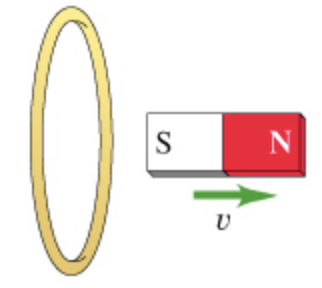
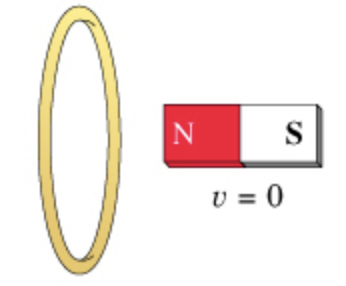
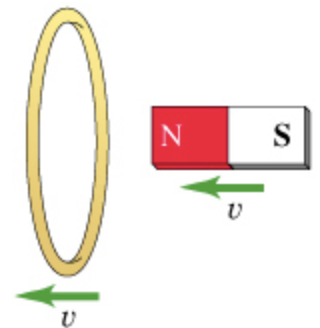
For each of the actions depicted below, a magnet and/or metal loop moves with velocity v? (v? is constant and has the same magnitude in all parts). Determine whether a current is induced in the metal loop. If so, indicate the direction of the current in the loop, either clockwise or counterclockwise when seen from the right of the loop. The axis of the magnet is lined up with the center of the loop.
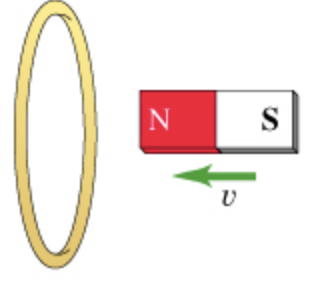
Part A
For the action depicted in the figure, (Figure 1) indicate the direction of the induced current in the loop (clockwise, counterclockwise or zero, when seen from the right of the loop).
- a.) clockwise
- b.) counterclockwise
- c.) zero
Part B
For the action depicted in the figure, (Figure 2) indicate the direction of the induced current in the loop (clockwise, counterclockwise or zero, when seen from the right of the loop).
- a.) clockwise
- b.) counterclockwise
- c.) zero
Part C
For the action depicted in the figure, (Figure 3) indicate the direction of the induced current in the loop (clockwise, counterclockwise or zero, when seen from the right of the loop).
- a.) clockwise
- b.) counterclockwise
- c.) zero
Part D
For the action depicted in the figure, (Figure 4) indicate the direction of the induced current in the loop (clockwise, counterclockwise or zero, when seen from the right of the loop).
- a.) clockwise
- b.) counterclockwise
- c.) zero
Part E
For the action depicted in the figure, (Figure 5) indicate the direction of the induced current in the loop (clockwise, counterclockwise or zero, when seen from the right of the loop).
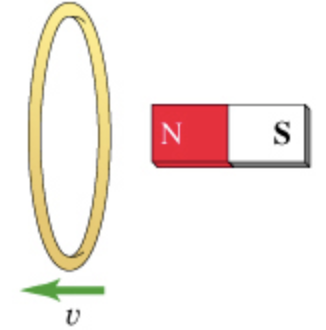
- a.) clockwise
- b.) counterclockwise
- c.) zero
In: Physics
An electric eel (Electrophorus electricus) can produce a shock of up to 600 V and a...
An electric eel (Electrophorus electricus) can produce a shock of up to 600 V and a current of 1 A for a duration of 2 ms, which is used for hunting and self-defense. To perform this feat, approximately 80% of its body is filled with organs made up by electrocytes. These electrocytes act as self-charging capacitors and are lined up so that a current of ions can easily flow through them.
a) How much charge flows through the electrocytes in that amount
of time?
b) If each electrocyte can maintain a potential of 100 mV, how many
electrocytes must be in series to produce the maximum shock?
c) How much energy is released when the electric eel delivers a
shock?
d) With the given information, estimate the equivalent capacitance
of all the electrocyte cells in the electric eel.
In: Physics
A 10.0 v battery, a 5.00 ohm resistor, and a 10.0 H inductor are connected in...
In: Physics
2) A charge is accelerated from rest through a potential difference V and then enters a...

In: Physics
2. Suppose that in the U.S., the income velocity of money (V) is constant. Suppose, too,...
2. Suppose that in the U.S., the income velocity of money (V) is constant. Suppose, too, that every year, real GDP grows by 2.5 percent (%∆Y/year = 0.025) and the supply of money grows by 10 percent (%∆M/year = 0.10).
a. According to the Quantity Theory of Money, what would be the growth rate of nominal GDP = P×Y? Hint: %∆(X×Y) %∆X + %∆Y.
b. In that case, what would be the inflation rate (i.e. %∆P/year)?
c. If the central bank wants the inflation rate to be 0%, what money supply growth rate (i.e. - %∆M per year) should it set?
In: Economics