Questions
The mean cost of domestic airfares in the United States rose to an all-time high of...

The mean cost of domestic airfares in the United States rose to an all-time high of $375 per ticket. Airfares were based on the total ticket value, which consisted of the price charged by the airlines plus any additional taxes and fees. Assume domestic airfares are normally distributed with a standard deviation of $115. Use Table 1 in Appendix B.

a. What is the probability that a domestic airfare is $560 or more (to 4 decimals)?

b. What is the probability that a domestic airfare is $240 or less (to 4 decimals)?

c. What if the probability that a domestic airfare is between $320 and $480 (to 4 decimals)?

d. What is the cost for the 5% highest domestic airfares? (rounded to nearest dollar)

In: Economics

In 2018 the United States and China entered into a trade dispute that led both countries...

In 2018 the United States and China entered into a trade dispute that led both countries to impose tariffs on each other’s goods. Economists concluded that the tariffs contributed to slower growth in real GDP for both countries, though the effects were greater in China. Using aggregate demand and supply analysis explain and graph how a trade surplus can lead to a slowing real GDP in both countries.

In: Economics

The Thompson Corporation, a manufacturer of steel products, began operations on October 1, 2019. The accounting...

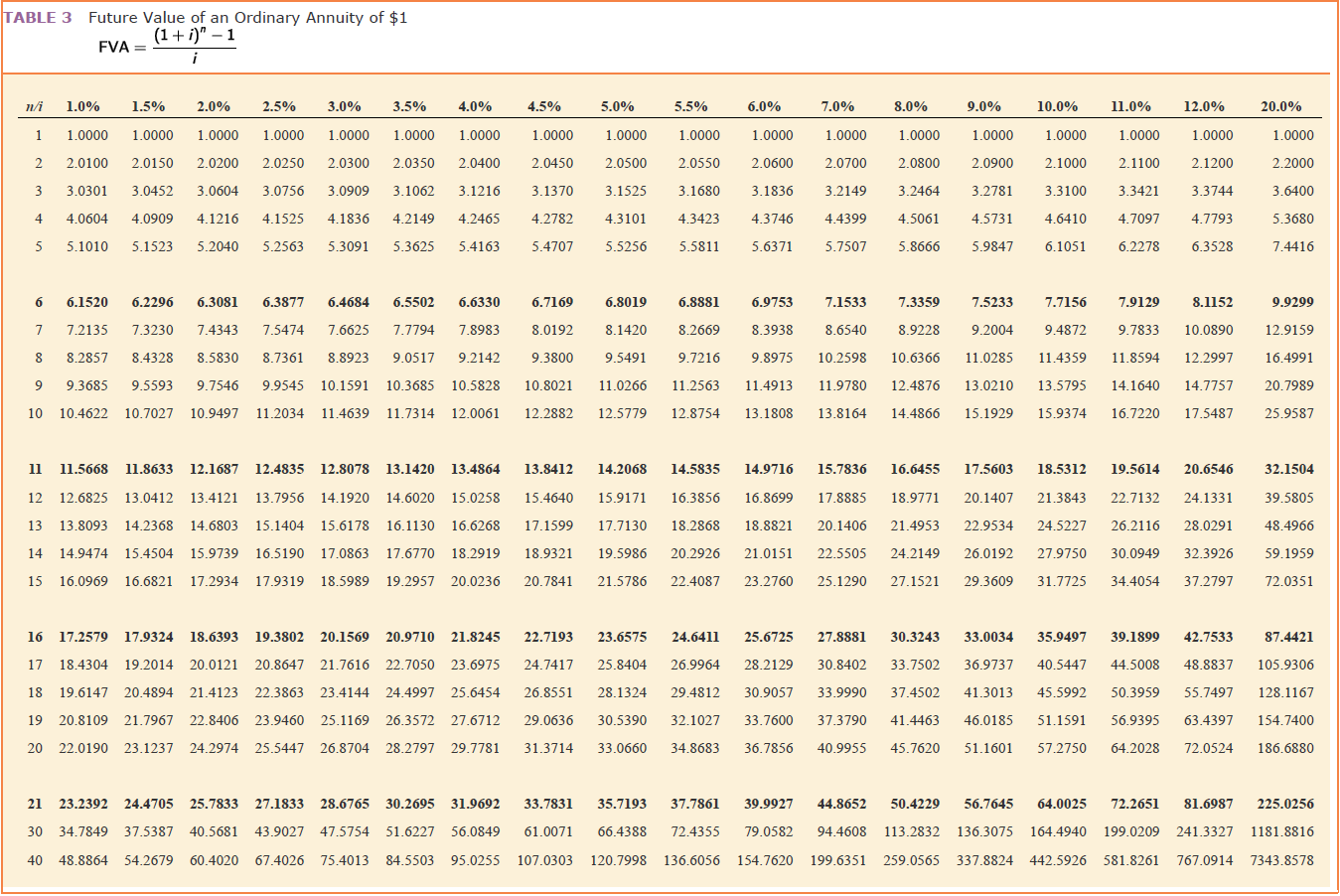
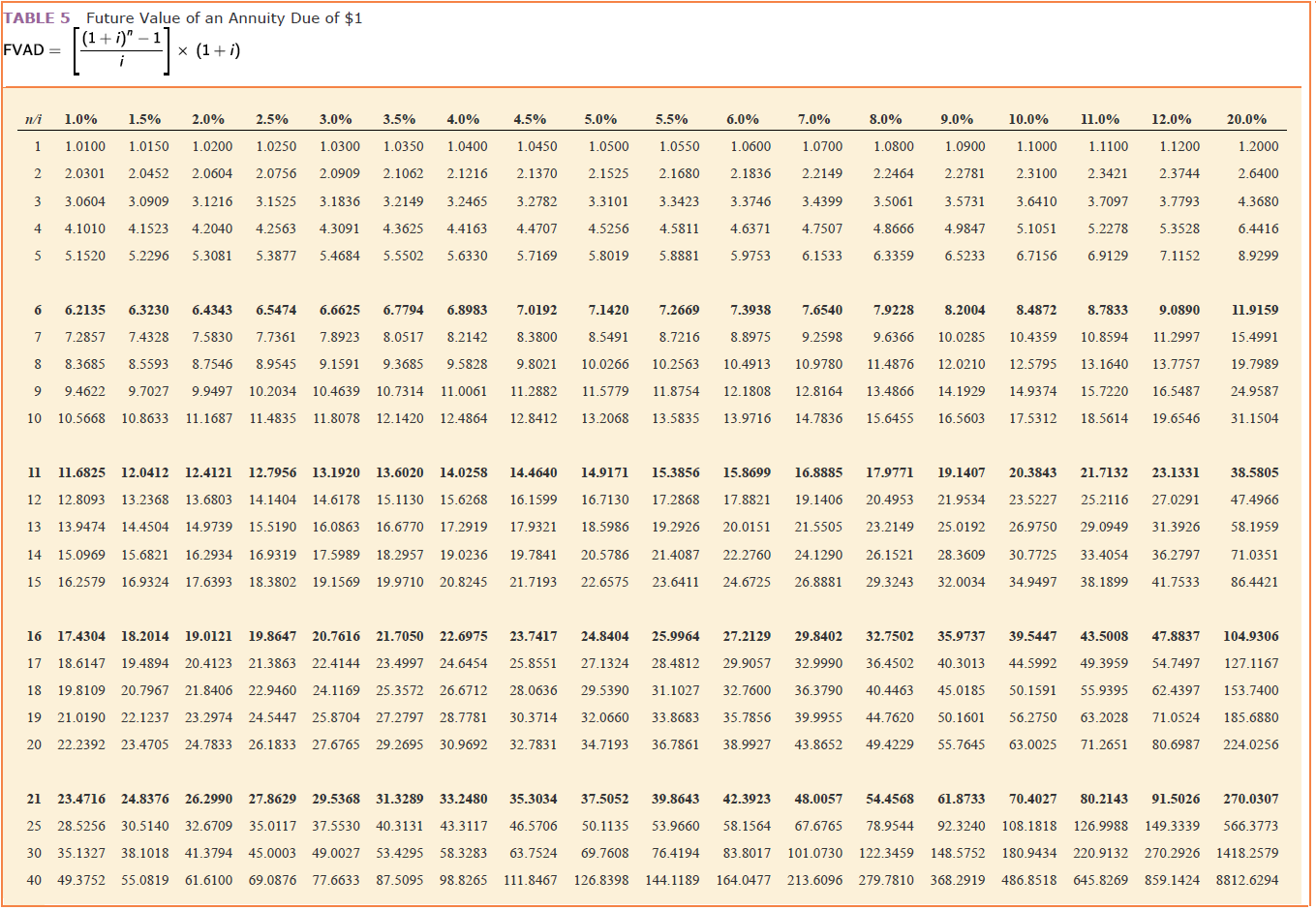
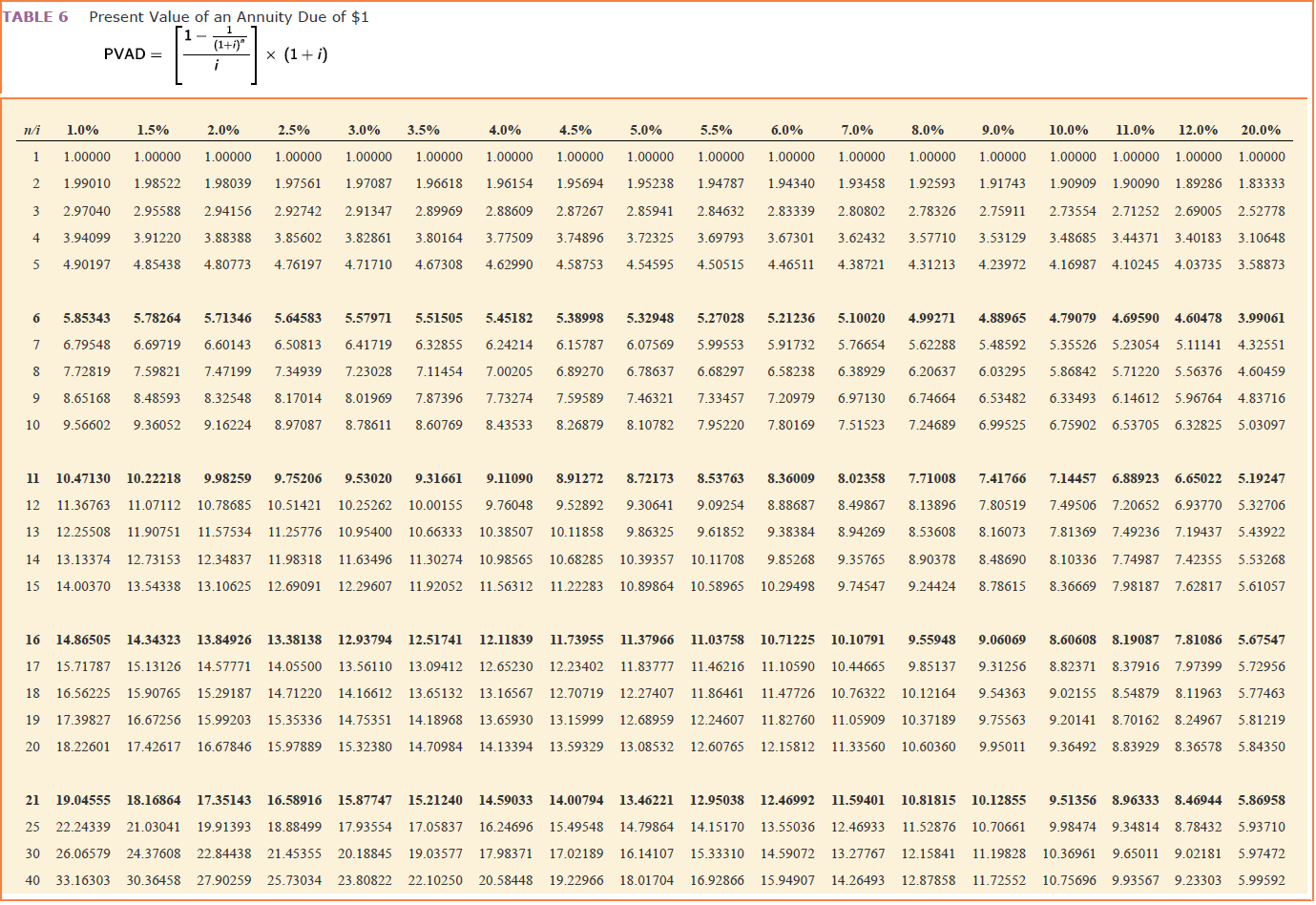
The Thompson Corporation, a manufacturer of steel products, began operations on October 1, 2019. The accounting department of Thompson has started the fixed-asset and depreciation schedule presented below. You have been asked to assist in completing this schedule. In addition to ascertaining that the data already on the schedule are correct, you have obtained the following information from the company's records and personnel: (FV of $1, PV of $1, FVA of $1, PVA of $1, FVAD of $1 and PVAD of $1) (Use appropriate factor(s) from the tables provided.)

  1. Depreciation is computed from the first of the month of acquisition to the first of the month of disposition.
  2. Land A and Building A were acquired from a predecessor corporation. Thompson paid $832,500 for the land and building together. At the time of acquisition, the land had a fair value of $110,400 and the building had a fair value of $809,600.
  3. Land B was acquired on October 2, 2019, in exchange for 3,200 newly issued shares of Thompson’s common stock. At the date of acquisition, the stock had a par value of $5 per share and a fair value of $27 per share. During October 2019, Thompson paid $10,600 to demolish an existing building on this land so it could construct a new building.
  4. Construction of Building B on the newly acquired land began on October 1, 2020. By September 30, 2021, Thompson had paid $230,000 of the estimated total construction costs of $320,000. Estimated completion and occupancy are July 2022.
  5. Certain equipment was donated to the corporation by the city. An independent appraisal of the equipment when donated placed the fair value at $16,800 and the residual value at $2,200.
  6. Equipment A’s total cost of $112,000 includes installation charges of $570 and normal repairs and maintenance of $13,000. Residual value is estimated at $4,500. Equipment A was sold on February 1, 2021.
  7. On October 1, 2020, Equipment B was acquired with a down payment of $4,200 and the remaining payments to be made in 10 annual installments of $4,200 each beginning October 1, 2021. The prevailing interest rate was 7%.
THOMPSON CORPORATION
Fixed Asset and Depreciation Schedule
For Fiscal Years Ended September 30, 2020, and September 30, 2021
Assets Acquisition Date Cost Residual Depreciation Method Estimated Life in Years Depreciation for Year Ended 9/30
2020 2021
Land A 10/1/2019 N/A not applicable N/A N/A N/A
Building A 10/1/2019 $51,000 Straight-line $14,200
Land B 10/2/2019 N/A not applicable N/A N/A N/A
Building B Under construction 230,000 to date Straight-line 30
Donated Equipment 10/2/2019 2,200 200% Declining balance 10
Equipment A 10/2/2019 4,500 Sum-of-the years’-digits 9
Equipment B 10/1/2020 Straight-line 15

In: Accounting

The Thompson Corporation, a manufacturer of steel products, began operations on October 1, 2019. The accounting...

The Thompson Corporation, a manufacturer of steel products, began operations on October 1, 2019. The accounting department of Thompson has started the fixed-asset and depreciation schedule presented below. You have been asked to assist in completing this schedule. In addition to ascertaining that the data already on the schedule are correct, you have obtained the following information from the company's records and personnel: (FV of $1, PV of $1, FVA of $1, PVA of $1, FVAD of $1 and PVAD of $1) (Use appropriate factor(s) from the tables provided.)

  1. Depreciation is computed from the first of the month of acquisition to the first of the month of disposition.
  2. Land A and Building A were acquired from a predecessor corporation. Thompson paid $772,500 for the land and building together. At the time of acquisition, the land had a fair value of $103,200 and the building had a fair value of $756,800.
  3. Land B was acquired on October 2, 2019, in exchange for 2,600 newly issued shares of Thompson’s common stock. At the date of acquisition, the stock had a par value of $5 per share and a fair value of $21 per share. During October 2019, Thompson paid $10,000 to demolish an existing building on this land so it could construct a new building.
  4. Construction of Building B on the newly acquired land began on October 1, 2020. By September 30, 2021, Thompson had paid $170,000 of the estimated total construction costs of $260,000. Estimated completion and occupancy are July 2022.
  5. Certain equipment was donated to the corporation by the city. An independent appraisal of the equipment when donated placed the fair value at $14,400 and the residual value at $1,600.
  6. Equipment A’s total cost of $102,000 includes installation charges of $510 and normal repairs and maintenance of $10,600. Residual value is estimated at $5,000. Equipment A was sold on February 1, 2021.
  7. On October 1, 2020, Equipment B was acquired with a down payment of $3,600 and the remaining payments to be made in 10 annual installments of $3,600 each beginning October 1, 2021. The prevailing interest rate was 7%.


Required:

Supply the correct amount for each answer box on the schedule. (Round your intermediate calculations and final answers to the nearest whole dollar.)

THOMPSON CORPORATION
Fixed Asset and Depreciation Schedule
For Fiscal Years Ended September 30, 2020, and September 30, 2021
Assets Acquisition Date Cost Residual Depreciation Method Estimated Life in Years Depreciation for Year Ended 9/30
2020 2021
Land A 10/1/2019 N/A not applicable N/A N/A N/A
Building A 10/1/2019 $40,600 Straight-line $13,600
Land B 10/2/2019 N/A not applicable N/A N/A N/A
Building B Under construction 170,000 to date Straight-line 30
Donated Equipment 10/2/2019 1,600 200% Declining balance 10
Equipment A 10/2/2019 5,000 Sum-of-the years’-digits 9
Equipment B 10/1/2020 Straight-line 16

In: Accounting

The Thompson Corporation, a manufacturer of steel products, began operations on October 1, 2019. The accounting...

The Thompson Corporation, a manufacturer of steel products, began operations on October 1, 2019. The accounting department of Thompson has started the fixed-asset and depreciation schedule presented below. You have been asked to assist in completing this schedule. In addition to ascertaining that the data already on the schedule are correct, you have obtained the following information from the company's records and personnel: (FV of $1, PV of $1, FVA of $1, PVA of $1, FVAD of $1 and PVAD of $1) (Use appropriate factor(s) from the tables provided.)

  1. Depreciation is computed from the first of the month of acquisition to the first of the month of disposition.
  2. Land A and Building A were acquired from a predecessor corporation. Thompson paid $832,500 for the land and building together. At the time of acquisition, the land had a fair value of $110,400 and the building had a fair value of $809,600.
  3. Land B was acquired on October 2, 2019, in exchange for 3,200 newly issued shares of Thompson’s common stock. At the date of acquisition, the stock had a par value of $5 per share and a fair value of $27 per share. During October 2019, Thompson paid $10,600 to demolish an existing building on this land so it could construct a new building.
  4. Construction of Building B on the newly acquired land began on October 1, 2020. By September 30, 2021, Thompson had paid $230,000 of the estimated total construction costs of $320,000. Estimated completion and occupancy are July 2022.
  5. Certain equipment was donated to the corporation by the city. An independent appraisal of the equipment when donated placed the fair value at $16,800 and the residual value at $2,200.
  6. Equipment A’s total cost of $112,000 includes installation charges of $570 and normal repairs and maintenance of $13,000. Residual value is estimated at $4,500. Equipment A was sold on February 1, 2021.
  7. On October 1, 2020, Equipment B was acquired with a down payment of $4,200 and the remaining payments to be made in 10 annual installments of $4,200 each beginning October 1, 2021. The prevailing interest rate was 7%.

Required:
Supply the correct amount for each answer box on the schedule. (Round your intermediate calculations and final answers to the nearest whole dollar.)

THOMPSON CORPORATION
Fixed Asset and Depreciation Schedule
For Fiscal Years Ended September 30, 2020, and September 30, 2021
Assets Acquisition Date Cost Residual Depreciation Method Estimated Life in Years Depreciation for Year Ended 9/30
2020 2021
Land A 10/1/2019 N/A not applicable N/A N/A N/A
Building A 10/1/2019 $51,000 Straight-line $14,200
Land B 10/2/2019 N/A not applicable N/A N/A N/A
Building B Under construction 230,000 to date Straight-line 30
Donated Equipment 10/2/2019 2,200 200% Declining balance 10
Equipment A 10/2/2019 4,500 Sum-of-the years’-digits 9
Equipment B 10/1/2020 Straight-line 15

In: Accounting

The Thompson Corporation, a manufacturer of steel products, began operations on October 1, 2019. The accounting...

The Thompson Corporation, a manufacturer of steel products, began operations on October 1, 2019. The accounting department of Thompson has started the fixed-asset and depreciation schedule presented below. You have been asked to assist in completing this schedule. In addition to ascertaining that the data already on the schedule are correct, you have obtained the following information from the company's records and personnel: (FV of $1, PV of $1, FVA of $1, PVA of $1, FVAD of $1 and PVAD of $1) (Use appropriate factor(s) from the tables provided.)

  1. Depreciation is computed from the first of the month of acquisition to the first of the month of disposition.
  2. Land A and Building A were acquired from a predecessor corporation. Thompson paid $892,500 for the land and building together. At the time of acquisition, the land had a fair value of $117,600 and the building had a fair value of $862,400.
  3. Land B was acquired on October 2, 2019, in exchange for 3,800 newly issued shares of Thompson’s common stock. At the date of acquisition, the stock had a par value of $5 per share and a fair value of $33 per share. During October 2019, Thompson paid $11,200 to demolish an existing building on this land so it could construct a new building.
  4. Construction of Building B on the newly acquired land began on October 1, 2020. By September 30, 2021, Thompson had paid $290,000 of the estimated total construction costs of $380,000. Estimated completion and occupancy are July 2022.
  5. Certain equipment was donated to the corporation by the city. An independent appraisal of the equipment when donated placed the fair value at $19,200 and the residual value at $2,800.
  6. Equipment A’s total cost of $101,000 includes installation charges of $630 and normal repairs and maintenance of $12,700. Residual value is estimated at $4,600. Equipment A was sold on February 1, 2021.
  7. On October 1, 2020, Equipment B was acquired with a down payment of $4,800 and the remaining payments to be made in 10 annual installments of $4,800 each beginning October 1, 2021. The prevailing interest rate was 7%.


Required:

Supply the correct amount for each answer box on the schedule.
(Round your intermediate calculations and final answers to the nearest whole dollar.)

THOMPSON CORPORATION

Fixed Asset and Depreciation Schedule

For Fiscal Years Ended September 30, 2020, and September 30, 2021

Assets

Acquisition Date

Cost

Residual

Depreciation Method

Estimated Life in Years

Depreciation for Year Ended 9/30

2020

2021

Land A

10/1/2019

N/A

not applicable

N/A

N/A

N/A

Building A

10/1/2019

$75,000

Straight-line

$14,800

Land B

10/2/2019

N/A

not applicable

N/A

N/A

N/A

Building B

Under construction

290,000 to date

Straight-line

30

Donated Equipment

10/2/2019

2,800

200% Declining balance

10

Equipment A

10/2/2019

4,600

Sum-of-the years’-digits

8

Equipment B

10/1/2020

Straight-line

15

In: Accounting

For this discussion activity, you will get insight into the federal budgeting process and how key...

For this discussion activity, you will get insight into the federal budgeting process and how key allocation decisions are made. As part of that effort you will work through the National Budget Simulation in an effort to achieve a budget deficit of $1400B dollars.

Scenario: The President of the United States has been elected on the promise of fiscal responsibility as a key mandate of the electorate. By law he cannot reduce the net interest paid on the debt. The President's budget is projected to leave the country with a $1400B deficit.

The United States is subject to global security concerns tied to recent terrorist attacks both domestically and internationally. At the same time, a lingering recession and financial markets rescue package reduces the government's tax revenues and forces the government to increase its spending on unemployment benefits, welfare, housing assistance, food stamps, and other need-based programs. Because of the increased spending and reduced revenues, the nation falls into a projected deficit of nearly $X in 2020 (This is the first piece of the information you need to find).

The President is committed to keeping his campaign promises to avoid future crisis over the US's financial standing. He must raise taxes, cut spending, or a combination of both to stay within his new guideline of a deficit below $1400B. The President turns to you, his trusted economic advisor, for help. (Note: While some events in this scenario reflect actual events, others are hypothetical for the purposes of this exercise. Budget figures in the simulation are actual White House figures of 2012, including spending and revenues of 2012.)

Given the information you watch and read in the preceding Week 7 activities, use that background to answer the above questions for discussion. Since the simulation is using 2012 numbers, start off with actual numbers just to inject a sense of reality into this discussion. Research this information from a reliable source and begin your analysis with what you found. Finally, analyze the effect your choices will have on the economy.

In: Economics

Categorizations of race and ethnicity have changed since we began conducting the U.S. Census (which occurs...

Categorizations of race and ethnicity have changed since we began conducting the U.S. Census (which occurs every ten years and has many purposes). White and Negro were early categories, but today Americans can choose from multiple categories, including Native American, Inuit, Hispanic, Asian and so on. And, you can choose more than one ethnic/racial category, reflecting the multiracial character of the population. In December 2013, the Census Bureau at the request of the White House proposed adding a new racial category to the 2020 Census for people from the Middle East and North Africa (MENA) who have until this point been classified as “white.” An article in The Washington Post (https://www.washingtonnpost.com/local/socialissues/a-proposal-to-add-a-us-census-category-for-people-of-middle-eastern-descent-makes-some-uneasy/2016 expressed alarm that this classification comes at a time of rising Islamophobia. Since the article appeared we have seen attempts to exclude individuals from selected predominantly Muslim countries from coming to the United States. Similarly, we have seen increased deportations of Hispanic immigrants (putting aside the question of their legal status). In fact, a decision about whether to deport “the Dreamers,” who are the children of immigrants who came to this country when they were children is pending in the Congress. The Census is an attempt to quantify and categorize who lives in the United States and has legitimate goals. Some activist groups, however, see potential problems if individuals provide this information asking will those who identify themselves as MENA (or Hispanic, Latino, Chicano) be profiled and placed under surveillance. Based on what we have discussed on racism, persecution of “the other,” and even historical examples, such as the Holocaust, what is your opinion of this proposed change to the Census? Using your sociological imagination, examine the political and social context and the implications of this change for individuals.

In: Psychology

THE MBA DECISION Ben Bates graduated from college six years ago with a finance undergraduate degree....

THE MBA DECISION Ben Bates graduated from college six years ago with a finance undergraduate degree. Since graduation, he has been employed in the finance department at East Coast Yachts. Although he is satisfied with his current job, his goal is to become an investment banker. He feels that an MBA degree would allow him to achieve this goal. After examining schools, he has narrowed his choice to either Wilton University or Mount Perry College. Although internships are encouraged by both schools, to get class credit for the internship, no salary can be paid. Other than internships, neither school will allow its students to work while enrolled in its MBA program. Ben’s annual salary at East Coast Yachts is $61,000 per year, and his salary is expected to increase at 3 percent per year until retirement. He is currently 28 years old and expects to work for 40 more years. His current job includes a fully paid health insurance plan, and his current average tax rate is 25 percent. Ben has a savings account with enough money to cover the entire cost of his MBA program. The Ritter College of Business at Wilton University is one of the top MBA programs in the country. The MBA degree requires two years of full-time enrollment at the university. The annual tuition is $65,000, payable at the beginning of each school year. Books and other supplies are estimated to cost $2,800 per year. Ben expects that after graduation from Wilton, he will receive a job offer for about $107,000 per year, with an $20,000 signing bonus. The salary at this job will increase at 4 percent per year. Because of the higher salary, his average income tax rate will increase to 30 percent. The Bradley School of Business at Mount Perry College began its MBA program 16 years ago. The Bradley School is smaller and less well known than the Ritter College. Bradley offers an accelerated, one-year program, with a tuition cost of $78,000 to be paid upon matriculation. Books and other supplies for the program are expected to cost $4,000. Ben thinks that after graduation from Mount Perry, he will receive an offer of $90,000 per year, with a $17,000 signing bonus. The salary at this job will increase at 3.5 percent per year. His average income tax rate at this level of income will be 28 percent. Both schools offer a health insurance plan that will cost $3,500 per year, payable at the beginning of the year. Ben also estimates that room and board expenses will cost $2,500 more per year at both schools than his current expenses, payable at the beginning of each year. The appropriate discount rate is 6.2 percent. Assume all salaries are paid at the end of each year.

Salary Wilton MBA Mount Perry MBA Timeline Timeline Timeline Year Value Year Value Year Value

In: Accounting

An upswing or recovery phase in the business cycle is most likely to be associated with...

An upswing or recovery phase in the business cycle is most likely to be associated with

lower employment and lower prices
lower employment and higher prices
higher employment and lower prices
higher employment and higher prices

Which of the following is used by the Federal Reserve to reduce the money supply?

Increasing the prime rate
Increasing the discount rate
Increasing taxes
Decreasing government expenditures

The gross domestic product (GDP) may provide an inaccurate measurement of the productive activity within a country because:

the value of intermediate goods is double-counted
exports are excluded from the calculation
changes in business inventories are not taken into account
underground economic activity is not included in the calculation.

Under a system of flexible exchange rates, which of the following factors would most likely lead to an appreciation of the dollar against foreign currencies?

A decrease in the demand for United States exports
A decrease in the growth rate of the United States economy relative to the rest of the world
An increase in the United States inflation rate relative to the rest of the world
An increase in the United States interest rates relative to the rest of the world

An important role of the Federal Reserve System is to

determine tax rates annually
control the supply of money
collect revenues from tariffs
reduce the size of the public debt

According to Adam Smith’s The Wealth of Nations, societies would gain economic advantages from which of the following?

Division of labor
Strategic planning
Scientific management
Employee empowerment

Which of the following best describes the macroeconomic effects of a rightward shift of a country’s aggregate supply curve?

Unemployment Rate- DecreaseInflation Rate- IncreaseGross Domestic Product- Increase
Unemployment Rate- DecreaseInflation Rate- DecreaseGross Domestic Product- Increase
Unemployment Rate- IncreaseInflation Rate- IncreaseGross Domestic Product- Decrease
Unemployment Rate- IncreaseInflation Rate- DecreaseGross Domestic Product- Decrease

Experience-curve pricing assumes which of the following?

Average costs will increase
Average costs will decrease.
Prices will be changed each time more experience is obtained.
The price a consumer will pay for a new product is best estimated from the life cycle of a similar product.

All of the following are true of the Federal Reserve system in the United States EXCEPT:

It is divided into twelve Federal Reserve districts.
It holds deposits (or reserves) of member banks.
It provides facilities for check clearance.
It includes all commercial banks as members

The gross domestic product (GDP) is a measure of the

total production cost of all intermediate and final goods sold in the economy in one year.
total market value of all final goods and services produced in the economy in one year.
replacement dollar cost of all assets accumulated in the economy at some point in time.
original dollar cost of all assets accumulated in the economy at some point in time.

In: Economics